
Considerations for Renovations
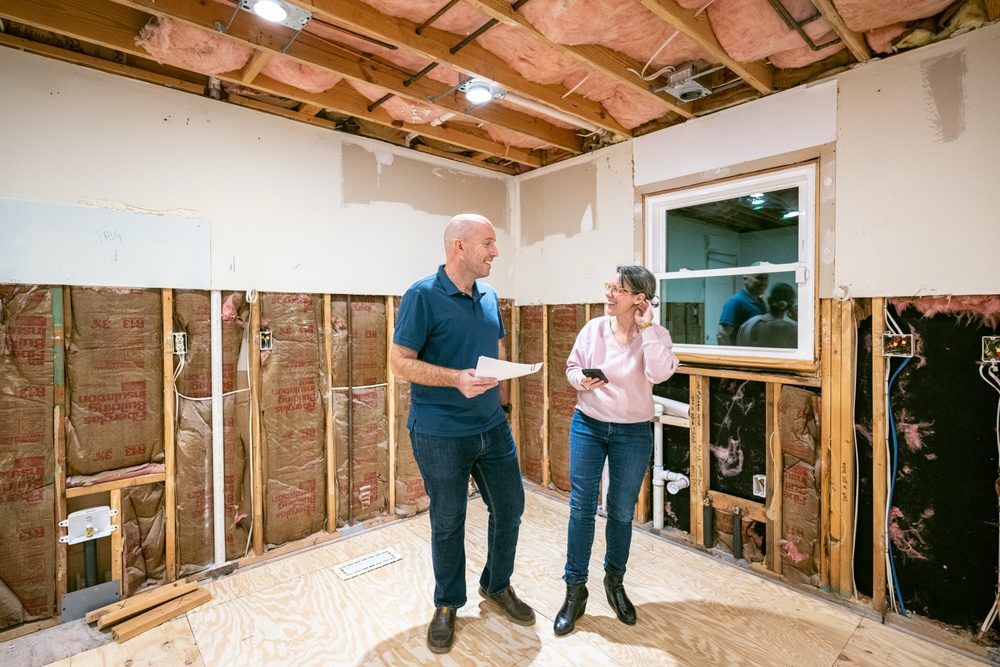
Before you knock down a wall, read this — budgeting, permits, older-home surprises, and the questions to ask before you sign anything.
Renovating on Delmarva is its own kind of project. Between the salt air, the older housing stock near the beaches, and town-by-town permit rules, a remodel here isn't quite the same as it is inland. Whether you're updating a bungalow in Lewes, a farmhouse on the Eastern Shore, or a rancher in Rehoboth, the same rules apply: plan carefully, expect the unexpected, and put everything in writing.
This guide walks you through what to think about before the first hammer swings.
Budgeting: Plan for the Surprises
Here's the part nobody likes hearing: your renovation will cost more than the first estimate suggests. Not because anyone is being dishonest — it's because walls hide things. A contractor can't see what's behind the drywall until the drywall comes down, and on Delmarva, what's behind it can be... interesting.
The standard advice is to build a contingency into your budget — a cushion for the things you discover along the way. If you're already stretching to afford the project as quoted, stop. You're not ready yet. The cushion is what keeps a project moving when something goes wrong, and something always goes wrong.
Get at least three written estimates, and make sure they're estimating the same scope. An apples-to-oranges comparison — one contractor includes the tile, another doesn't — tells you nothing.
Also plan for the costs that aren't on the estimate: eating out during a kitchen remodel, the water bill from the portable shower during a bath reno, boarding the dog while the floors are being refinished. They add up.
Highest-ROI Projects: Kitchens and Bathrooms
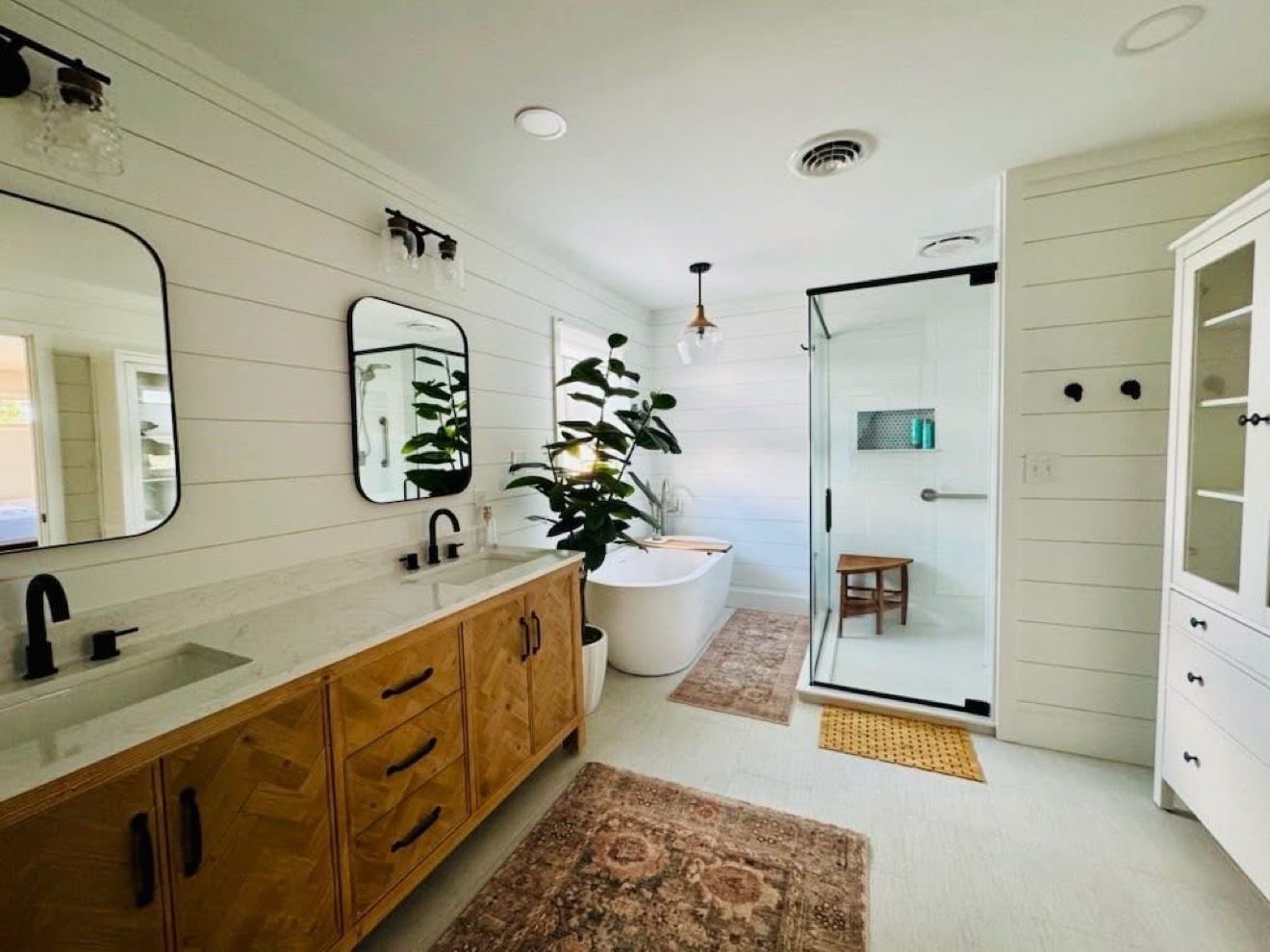
If you're renovating with resale in mind, kitchens and bathrooms are where the money goes furthest. Buyers judge a house by its kitchen first — it's where they picture their mornings — and dated bathrooms read as "expensive problem" to anyone touring your home.
But "highest ROI" doesn't mean "gut everything." A full kitchen remodel costs a lot and doesn't always return proportionally. Often the smart play is the cosmetic version: new countertops, fresh paint on the cabinets, updated lighting and hardware. A bathroom can be transformed with a new vanity, re-tiled surround, and modern fixtures without moving a single pipe. Moving plumbing is where the costs — and the permit headaches — multiply.
The least ROI-friendly projects are the ones buyers never notice: a new HVAC system, re-plumbing the whole house, re-wiring. They're necessary sometimes (more on that below), but don't expect them to move your sale price.
Permits: Yes, Even for "Small" Jobs
This is where a lot of homeowners get tripped up. The permit question isn't "is my project big?" — it's "does the work change anything structural, electrical, plumbing, or mechanical?" A bathroom tile job might not need a permit; moving the shower drain does. Replacing a water heater can trigger one. Adding a deck, finishing a basement, knocking out a wall — all permit territory.
The rules change town to town across Delmarva, and beach towns tend to be strictest. What's fine unpermitted in unincorporated Sussex County might need a stack of paperwork in Lewes or Berlin.
Why should you care? Three reasons:
- Unpermitted work gets flagged at sale. When you sell, the buyer's inspection or appraisal can turn up work that doesn't match county records. You'll be fixing it on a deadline, at retail prices, or giving a credit.
- Insurance can walk away. If a fire starts in wiring that was never inspected, your carrier can dispute the claim.
- It's not that bad. The fee is small compared to the project cost. The headache is the wait, not the money.
When in doubt, call the permit office and ask. It's a free phone call.
Older-Home Surprises, Delmarva Edition
Much of the housing stock near the beaches and in towns like Lewes, Berlin, and Milton was built decades ago — and some of it was built twice, with unpermitted additions and DIY "improvements" layered in over the years. Common finds when the walls come open:
- Unpermitted prior work. An addition with no record, a deck that doesn't meet current setbacks, electrical that predates any inspection. You inherit it, and the permit office can require you to bring it up to code once you touch it.
- Outdated wiring. Knob-and-tube wiring still shows up in older homes; it can't handle modern loads and many insurers won't cover it. Aluminum branch wiring from the 1960s–70s is another red flag.
- Old plumbing. Galvanized steel pipes corrode from the inside. Cast iron drains crack. If the house still has either, budget for replacement.
- Water damage near the coast. Salt air, wind-driven rain, and occasional flooding mean flashing failures, rotted sills, and moisture behind siding. On Delmarva, the exterior envelope gets checked first, not last.
- Lead paint and asbestos. Homes built before 1978 can have lead paint (federal disclosure rules apply at sale); older flooring, pipe insulation, and siding can contain asbestos. Remediation is a specialized, regulated job — not a DIY weekend.
Historic District Rules
Towns like Lewes and Berlin, Maryland, have historic districts with design review boards, and similar programs exist elsewhere on the peninsula. If your house is in one — or is individually designated — exterior changes usually need approval before you pull a building permit. That includes windows, roofing material, paint color on the visible exterior, porches, and fences.
This isn't a prohibition on renovating. It's a process: you submit plans, a board reviews them against the district's guidelines, and you get a certificate before the work starts. The catch is time — build the review schedule into your timeline, and don't order custom windows until you have the approval in hand.
Interior work is generally unaffected, but check before assuming.
Hiring and Vetting a Contractor
The contractor matters more than the countertop. A good one makes the project; a bad one makes you dread your own phone. Here's the vetting list:
- License. Verify the contractor is licensed where the work is happening — Delaware and Maryland have separate requirements. Ask for the license number and check it.
- Insurance. General liability and workers' compensation at minimum. Ask for a certificate of insurance with your name on it. No insurance, no job — if someone gets hurt on your property, you don't want to be the deep pocket.
- References — recent ones. Call at least three. Ask: did they finish on time? On budget? Would you hire them again? The third question is the one that matters.
- See their work. Photos are nice; an in-progress job is better. Is the site clean? Tidy sites mean organized contractors.
- Written contract. Scope of work in detail, materials specified by brand/model where it matters, start and completion dates, total price, and a change-order process. A handshake is not a contract.
- Payment schedule. Never pay in full up front. A deposit plus milestone payments tied to completed work is standard; hold the final payment until the punch list is done and the final inspection passes.
Watch for the red flags: pressure to decide today, cash-only pricing, "I don't need a permit for this," no written contract, or a price that's dramatically lower than the other bids. Low bids usually mean someone misunderstood the scope — and you'll pay the difference later.
Live Through It vs. Move Out
Should you stay in the house during the renovation? It depends on the scope — and your tolerance for dust.
Living through it saves the cost of temporary housing, but a kitchen or bathroom remodel turns daily life into camping. The dust gets everywhere no matter what the contractor promises. Timelines feel twice as long when you're hearing them through your bedroom wall. If anyone in the household works from home, has allergies, or is sensitive to disruption, this is a real cost even if it doesn't show up on the invoice.
Moving out — renting a place, staying with family, taking an extended trip — costs real money, and rentals at the beach in season are not cheap. But contractors often work faster in an empty house, and there's no negotiation about quiet hours or bathroom access.
There's a middle path: stay for the small stuff (one bathroom out of two, a bedroom refresh) and move out for the big disruptions (whole-house floor refinishing, full kitchen gut, anything involving the main electrical panel). Some families time the move-out around the worst phase and come back for the finish work.
Before You Sign: The Checklist
Run through this list before you commit to a contractor or a scope:
- ☐ Three written estimates for the same scope — compared line by line
- ☐ A budget with a contingency cushion for surprises
- ☐ Permit requirements confirmed with the town or county office
- ☐ Historic district review completed, if applicable
- ☐ Contractor's license verified and insurance certificate in hand
- ☐ Three references called — including the "would you hire them again?" question
- ☐ Written contract with detailed scope, materials, dates, price, and change-order terms
- ☐ Payment schedule tied to milestones, final payment held until punch list is complete
- ☐ Plan for where you'll live (and eat, and shower) during the disruptive phases
- ☐ Lead paint / asbestos testing scheduled if the house predates 1978
- ☐ Financing lined up — not "I think the HELOC will come through," but approved and funded
Renovating is stressful. Doing it with a plan, a budget cushion, and a contractor you trust makes it a project instead of an ordeal. Take your time on the front end — the cheapest dollar in any renovation is the one spent on planning.
Figures are general information and change over time.