
Housing Crisis and Ancillary Units
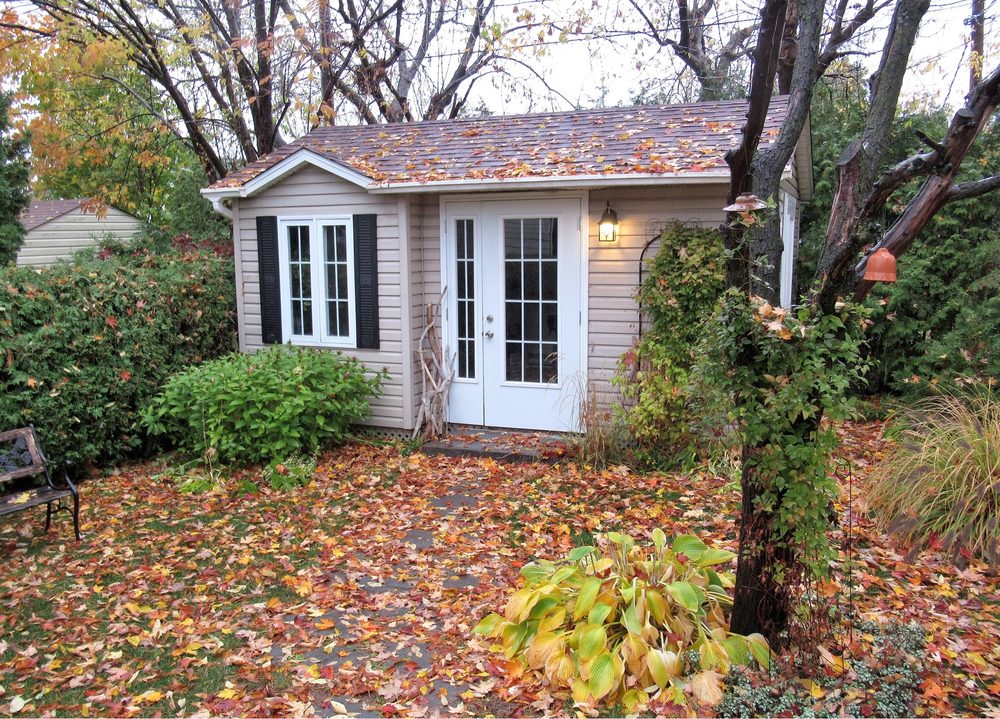
A cottage in the backyard, an apartment over the garage, a quieter answer to the peninsula's housing squeeze — what ADUs are, what they cost, and the rules you'll run into.
There's a housing problem on Delmarva, and anyone who rents, hires, or ages here already knows it. The service economy that keeps the beach towns running — restaurants, hotels, shops, healthcare — needs workers who can afford to live within driving distance, and in a lot of zip codes they can't. Long-time locals are watching their kids move off-peninsula. And plenty of homeowners are facing the other side of the same coin: Mom or Dad needs to be closer, but a nursing facility isn't right and nobody wants to give up their own front door.
One answer getting real attention is the accessory dwelling unit — the ADU. It's a small, second home on a single-family lot: a cottage out back, an apartment over the garage, a converted basement, or an addition tucked onto the main house. This guide explains what ADUs are in plain English, why they're having a moment on the peninsula, what they cost in broad strokes, and — critically — the regulatory maze that comes with them here. Rules vary town to town and county to county across Delaware, Maryland, and Virginia, and the details vary by jurisdiction — confirm the rules for your lot before you plan around them.
What an ADU Actually Is
Forget the alphabet soup for a minute. An ADU is simply a complete small home that shares a property with a bigger home. Complete means it has its own kitchen, bathroom, and sleeping area — that's what separates an ADU from a finished bonus room or a home office.
There are four common flavors:
- Detached ADU. A small free-standing cottage in the backyard — the classic "granny flat." It gives the most privacy but involves the most new construction.
- Attached ADU. An addition built onto the main house with its own entrance — a bump-out that becomes a one-bedroom apartment.
- Garage conversion. A garage turned into living space, with or without a second story added above it. Often the cheapest path because the shell already exists.
- Basement unit. A walk-out or daylight basement finished as a separate apartment with its own entrance.
Delmarva readers will also hear older local terms — "in-law suite," "carriage house," "tenant house." Functionally, if it's a self-contained second dwelling on a residential lot, it's in ADU territory. The legal question is always whether your particular county or town allows one on your particular lot.
Why ADUs Matter Here — Three Use Cases
Aging parents, close by. This is the number-one driver we hear about. An ADU lets an older parent keep their independence with family a hundred feet away instead of a hundred miles. Many families frame it as a phased plan: parent lives independently in the cottage now, transitions to living in the main house later if needed. On Delmarva, where retirees move to the beach and then eventually need support, this pattern is everywhere.
Rental income. A second unit can generate steady long-term rent — or, in beach areas, seasonal rent. It's worth being honest about the trade-off: the math can be attractive, but you become a landlord, with everything that entails (tenant screening, maintenance calls, lease law). Short-term rental rules on the coast are their own layer of regulation, and many towns that allow ADUs restrict or ban using them as vacation rentals.
Workforce housing. Here's the big-picture case. The peninsula's tourism and service economy runs on people who increasingly can't afford to live here. Some employers and communities are looking at ADUs as one piece of the answer: gentle, scattered, small-scale housing that doesn't require rezoning farmland into subdivisions. A detached cottage rented to a year-round worker is housing stock the peninsula desperately needs, added one backyard at a time.
The Regulatory Patchwork — What You'll Run Into
This is the part where Delmarva gets complicated. There is no single ADU rule for the peninsula. Delaware, Maryland, and Virginia each set the broad framework, but the actual yes-or-no — and the fine print — lives at the county and town level. A lot that allows an ADU in one Sussex County town might not allow one in the neighboring town, and unincorporated county land follows yet another set of rules.
Every statement in this section should be checked against your own jurisdiction — rules vary by jurisdiction:
- Whether ADUs are allowed at all. Some jurisdictions permit them by right in residential zones; others require a special exception or conditional use hearing; some don't allow them, period.
- Size caps. Most places that allow ADUs cap them — commonly as a maximum square footage, a percentage of the main house, or both.
- Owner-occupancy requirements. A frequent rule: the property owner must live in either the main house or the ADU. This is specifically aimed at preventing investors from buying up lots for double rentals.
- Parking. Expect a requirement for at least one off-street parking space for the ADU, sometimes two.
- Separate meters and addresses. Some jurisdictions require (or allow) separate utility meters; some assign the ADU its own address, which matters for emergency services and mail.
- Design and setback rules. Detached units typically must meet setback requirements from property lines, and some towns impose design standards so the ADU matches the main house.
- Septic and sewer. This is the sleeper issue on Delmarva. A second kitchen and bathroom means a second load on your septic system or sewer connection. If you're on septic — common outside town limits — the health department may require a system evaluation or upgrade before an ADU is approved. Well capacity can be a factor too.
Start with your county planning office (or town planning office if you're inside town limits) before you spend a dollar on drawings. The checklist at the end of this guide tells you exactly what to ask.
The HOA Problem — Often the Real Blocker
Here's the sentence that surprises people: even if your county or town allows ADUs, your homeowners association may not. HOA covenants are private contracts, and many Delmarva communities — especially the newer subdivisions and beach developments — restrict second dwellings, separate entrances, rental activity, or even the appearance of a second unit.
This is frequently the actual deal-killer, more than zoning. Read your covenants, conditions, and restrictions (CC&Rs) before anything else. Look specifically for language about "single-family use," "accessory structures," "rentals," and "additional dwelling units." If the HOA requires architectural review for exterior changes, a garage conversion or detached cottage will go through that process. And be aware: some HOAs have amended their rules specifically to prohibit ADUs as they've become more popular. HOA rules change — your community's current CC&Rs are the only ones that matter.
What It Costs — Drivers, Not Prices
Nobody can quote your ADU from an article, and any article that tries is guessing. What this guide can do is lay out what drives the cost, so you can have an intelligent first conversation with a builder:
- Type matters most. A garage conversion costs far less than a new detached cottage, because the foundation, roof, and walls already exist. A basement unit falls somewhere in between. Attached additions and detached new builds are the most expensive paths.
- Site work. A detached unit needs its own foundation, utility runs, and possibly a driveway or parking pad. On a tight lot, crane access and staging get expensive.
- Septic/sewer upgrades. If the health department requires a bigger septic system, that's a five-figure line item before construction starts.
- Kitchens and baths. Per square foot, the most expensive rooms in any build are the kitchen and bathroom — and an ADU is almost entirely kitchen and bathroom.
- Finishes and aging-in-place features. A no-step entry, wider doorways, and a curbless shower add modest cost now and enormous value if the unit is for an aging parent.
Financing, generally. Most homeowners fund ADUs with home equity — a HELOC or home equity loan — or with a construction/renovation loan. Some lenders are still catching up to ADUs as a product, so talk to your bank early about how they'd underwrite it, particularly whether projected rental income counts. There are also state and federal programs aimed at affordable housing that occasionally touch ADU construction — worth asking about, but check current availability first.
Property Value and Resale
The honest answer: a well-built, permitted ADU usually adds value, but how much depends on your market and your buyer. In areas with strong rental demand — much of coastal Delaware — an income-producing second unit is a genuine selling point. For buyers with aging parents, it's the feature they've been hunting for.
The caveats matter. An unpermitted unit can be a liability at resale — appraisers may not count it, lenders may flag it, and a buyer's inspector will find it. Permits and final inspections aren't red tape; they're what make the unit count as square footage and value. Also consider your buyer pool: some buyers love the flexibility, others see a second unit as a maintenance burden or a stranger in the backyard. In HOA communities, confirm the next buyer's use would be grandfathered — rules can change between your build and your sale.
Before You Commit — The Planning Office Checklist
Call or visit your county (or town) planning office and ask these questions, in this order. Bring your tax parcel number and a rough sketch of your lot.
- Are accessory dwelling units permitted in my zoning district — by right, by special exception, or not at all?
- What are the size limits — maximum square footage, and any percentage-of-main-house cap?
- Is owner-occupancy required — must I live in one of the two units?
- What are the setback, height, and lot-coverage requirements for a detached unit?
- What parking is required for the ADU?
- Can the ADU be used as a long-term rental? A short-term/vacation rental?
- I'm on septic or public sewer — what does the health department require for a second dwelling?
- Are separate utility meters allowed or required? Will the unit get its own address?
- What permits and inspections are required, and what's the typical timeline?
- Are there design standards the unit must meet?
- Then, separately: pull your HOA's current CC&Rs and check every one of these questions against them.
Regulatory information is general and current as of October 2026. Zoning ordinances, HOA rules, and program terms change — verify everything with your county or town planning office before committing to a project. This guide is general information, not legal advice.