
Lighthouses of Delmarva
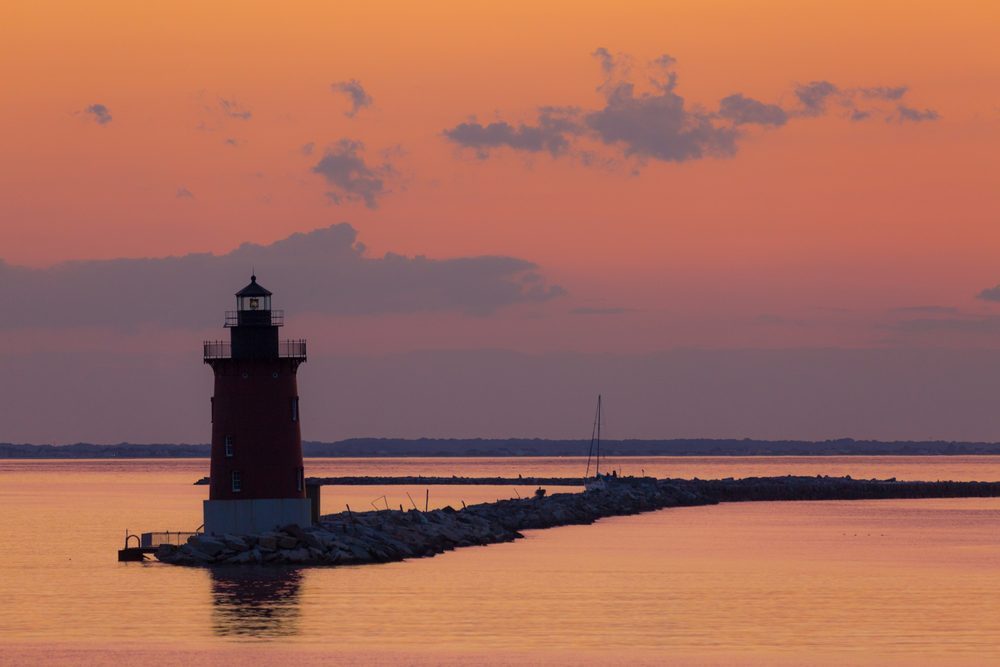
Eight sentinels, one road trip — trace the peninsula's working coastline north to south on a lighthouse trail you can drive in a weekend.
If you live on Delmarva, you've probably driven past one of these towers without realizing the story attached to it. The peninsula's lighthouses were built for one blunt reason: this coast is dangerous. Shifting shoals, the mouth of the Delaware Bay, and the long run down the Atlantic side have been wrecking ships for centuries. The lights that answered were an odd mix — some still standing guard on lonely breakwaters, one turned into a cottage-style museum you can tour, and one from 1858 that you can still climb.
This trail runs north to south, start to finish. Every entry tells you what you can actually see and do — and what to double-check before you load up the car.
1. Liston Range Lights — Delaware (Port Penn)
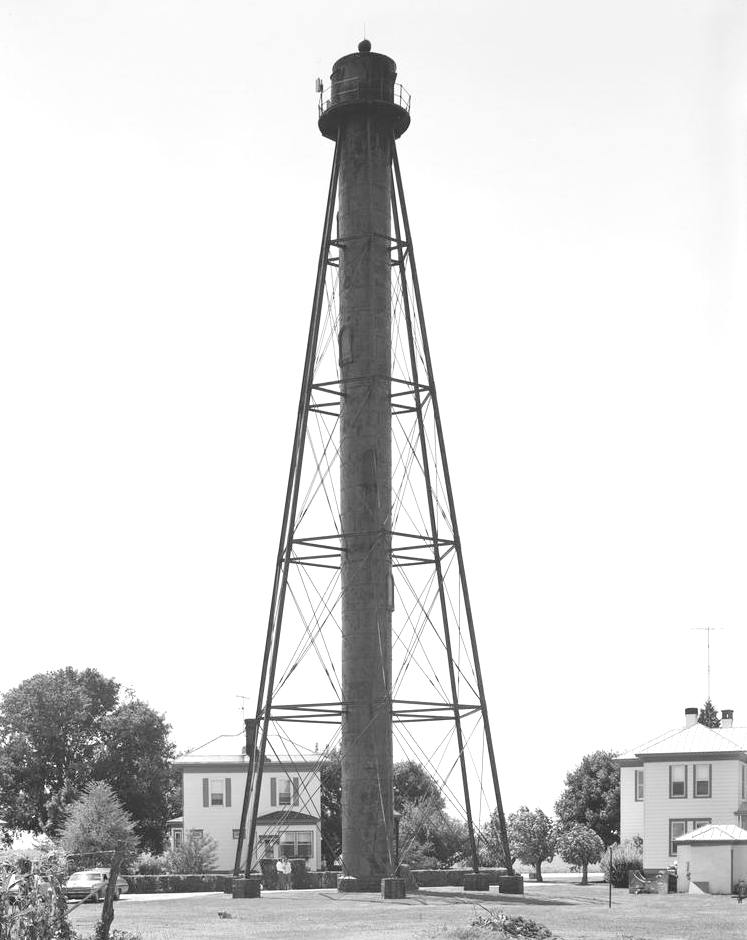
Start inland, oddly enough. These two lights are "range lights," which means they worked as a pair: line up the front light with the rear light and you were centered in the Delaware Bay shipping channel. The Front Range light, built in 1906, stands in a small park along Route 9 near Port Penn and is viewable from the grounds; the Rear Range light is a tall skeleton tower on nearby private property and is best viewed from the road (do not trespass). They're less photogenic than the big ocean towers but they're pure working-maritime history, and the Route 9 coastal byway drive to reach them is a reward in itself.
2. Delaware Breakwater East End Light — Lewes
From Liston, head down to Lewes. The East End Light sits offshore at the mouth of the harbor, marking the inner breakwater — a red, sparkplug-style beacon that has stood since 1885. You cannot visit it; there is no public access to the structure. The payoff is the view: take a Delaware Bay cruise or a dolphin-watching cruise out of Lewes and you'll get the classic photo — the harbor, the breakwater, and the little red tower at its end. Pair it with a stop at the Zwaanendael Museum in town for the backstory on how this harbor earned its lights.
3. Harbor of Refuge Light — Off Cape Henlopen
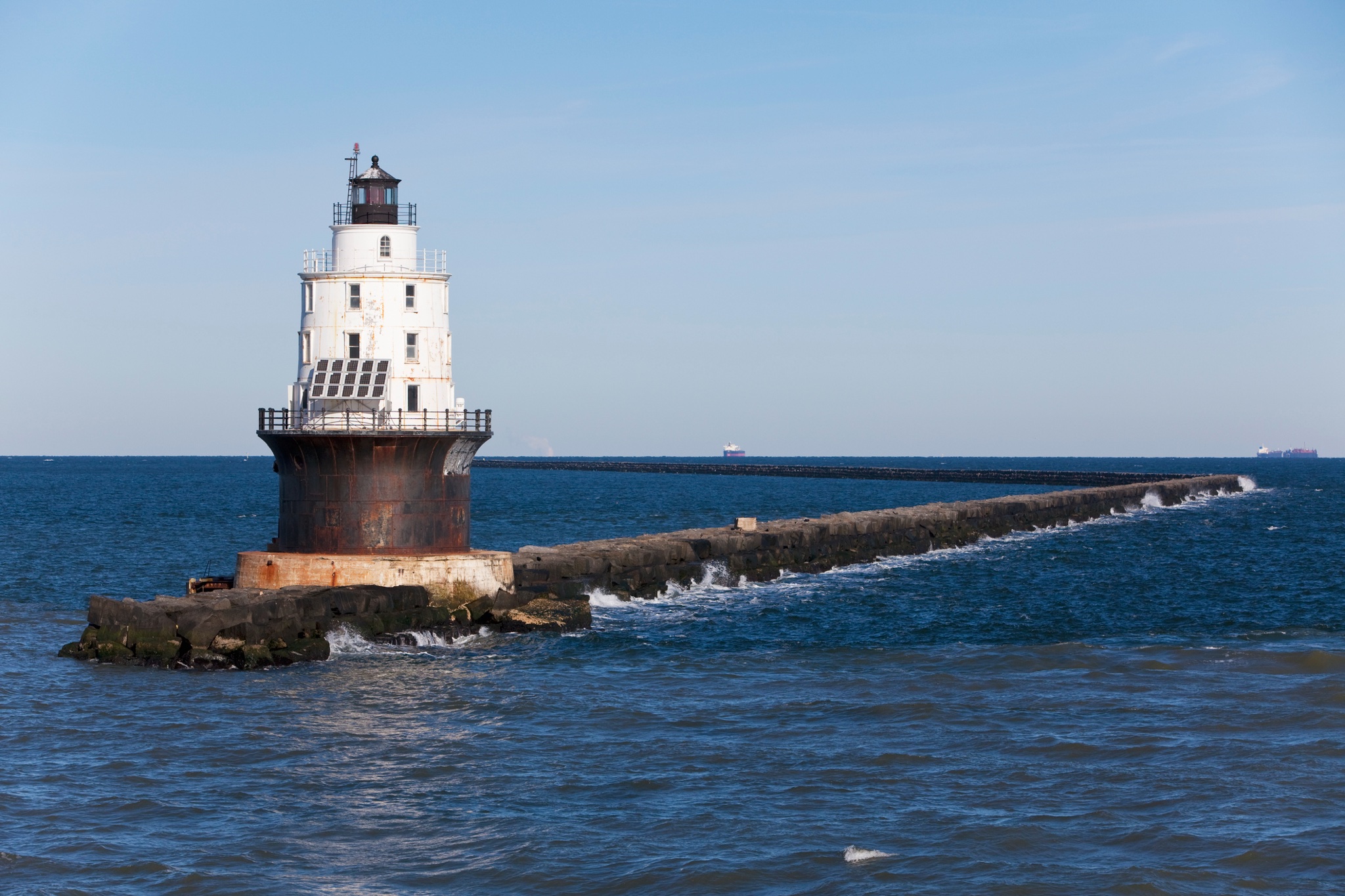
A few miles southeast, past the point, stands the Harbor of Refuge Light (1926), an elegant white tower on a stone breakwater that guards the outer anchorage. Like its Lewes neighbor, it is not open to the public — you admire it from the water. The same Lewes boat tours that pass the Breakwater light typically swing by Harbor of Refuge, and Cape Henlopen State Park's ocean overlooks can give you a distant glimpse on a clear day with binoculars. It's the working light on this list: still an active aid to navigation.
4. Fenwick Island Lighthouse — Fenwick Island (1858)
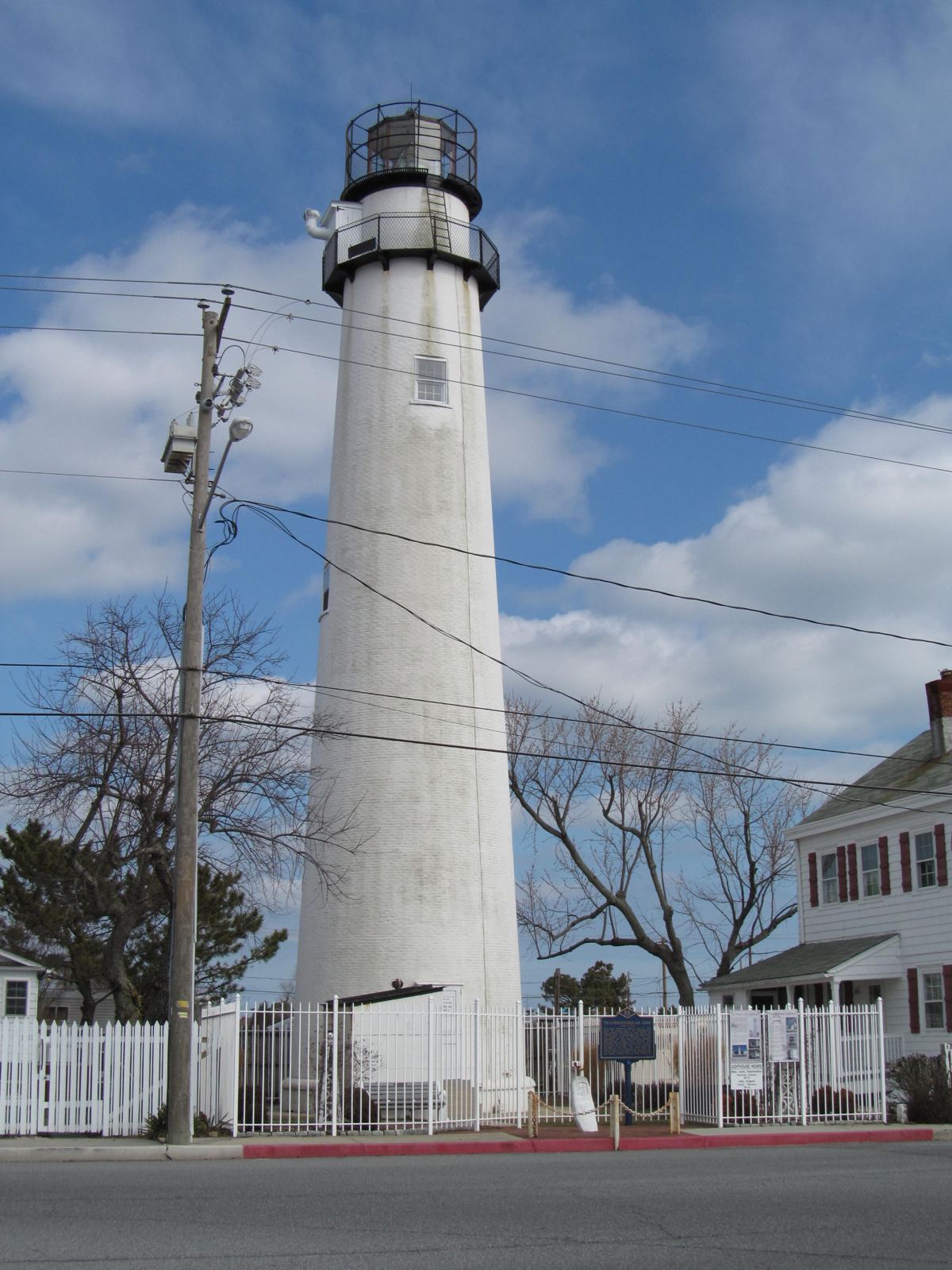
The star of the Delaware stretch — and the one you can climb. Built in 1858, this is Delaware's oldest lighthouse, a handsome white tower with a keeper's dwelling beside it, sitting right on the state line with Maryland. It is open for tours and climbing (hours and any admission fee), and the small museum in the keeper's house covers the light's history and the island's shipwreck lore. The 87-step climb is manageable for most adults and the view from the gallery deck — ocean one way, bays and salt marsh the other — explains in one glance why the light was needed here. Go on a weekday morning if you can; summer weekends draw a line.
5. Turkey Point Lighthouse — Elk Neck State Park, Maryland
Crossing into Maryland, head for Elk Neck State Park at the head of the Chesapeake. Turkey Point (1833) is a short, stout stone tower on a 100-foot bluff with arguably the best view of any light on this trail — the Upper Bay spreads out below you. The tower is open for climbing on a seasonal schedule, staffed by volunteers. Even if the tower is closed, the half-mile bluff trail to reach it is worth the walk, and the picnic areas make it a natural lunch stop. Note the park itself charges entry.
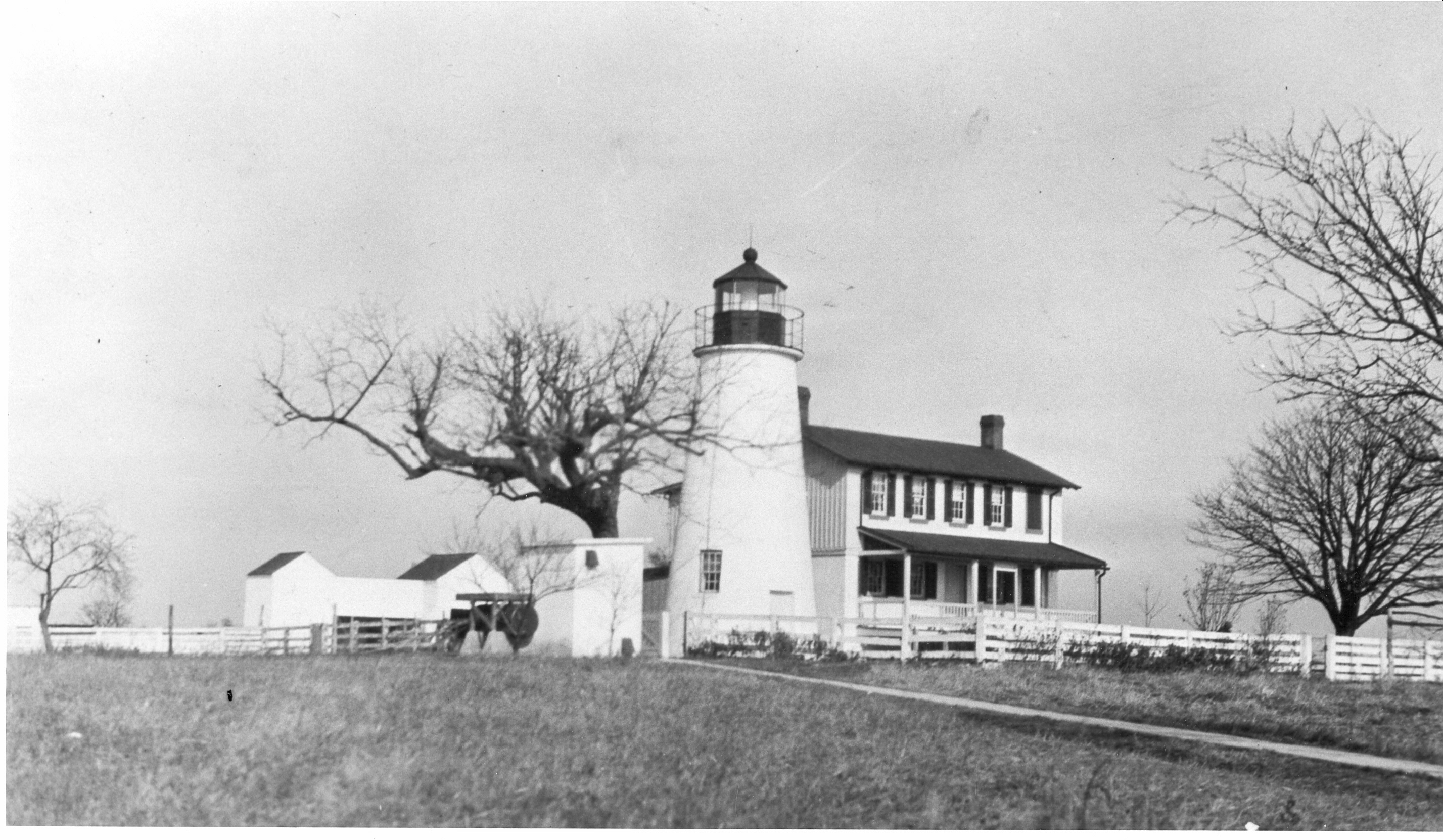
6. Cove Point Lighthouse — Calvert County, Maryland
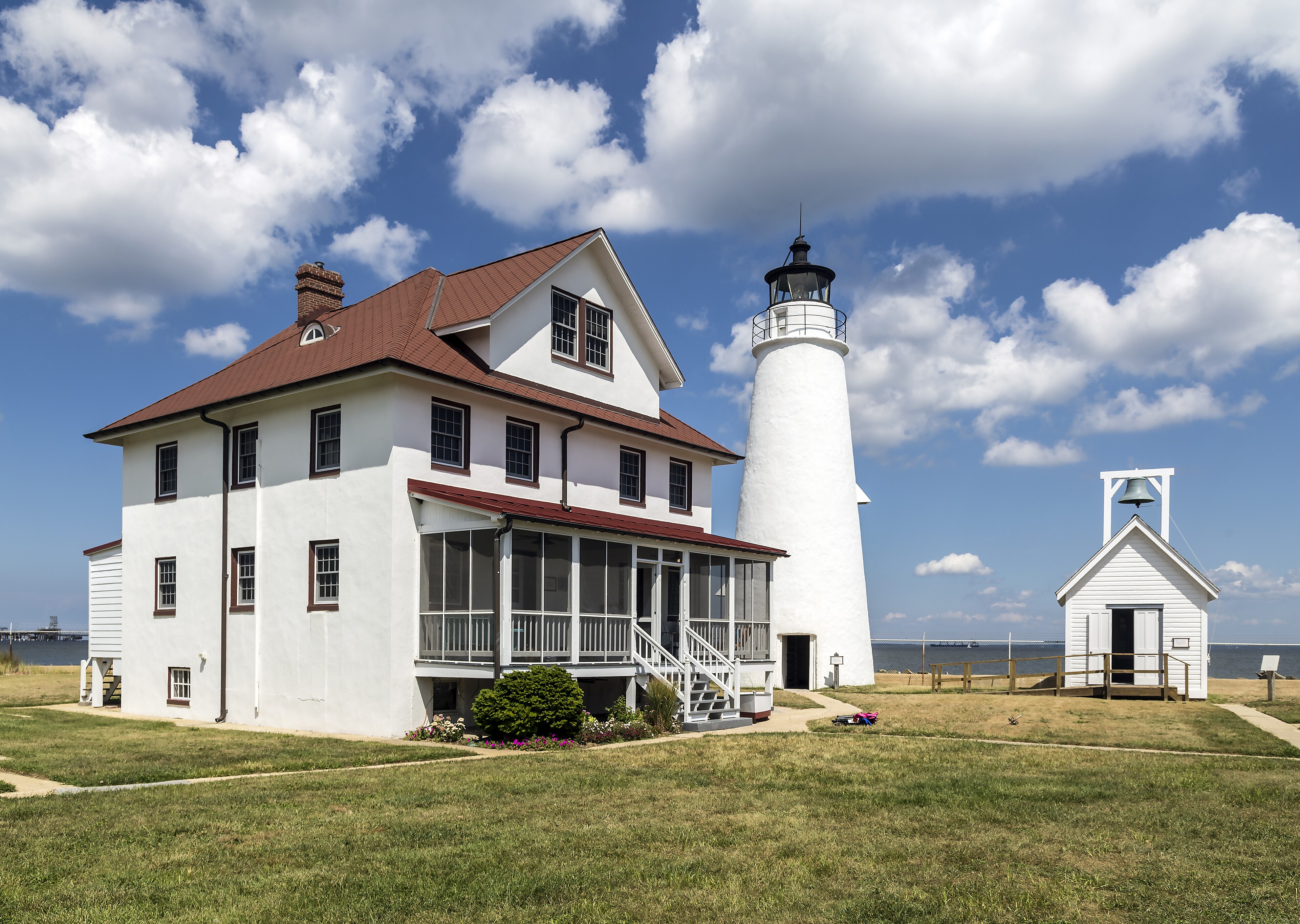
South on the western shore: Cove Point (1828) is the oldest continuously operating lighthouse in Maryland, and it looks like a postcard — white tower, red-roofed keeper's house, right on the beach. The keeper's house is a museum and the tower is open for climbs on a seasonal schedule. This one sits in a residential area with limited parking, so check access details before you go. It's also a good spot to tack on a fossil hunt at nearby Calvert Cliffs if the tide and your schedule cooperate.
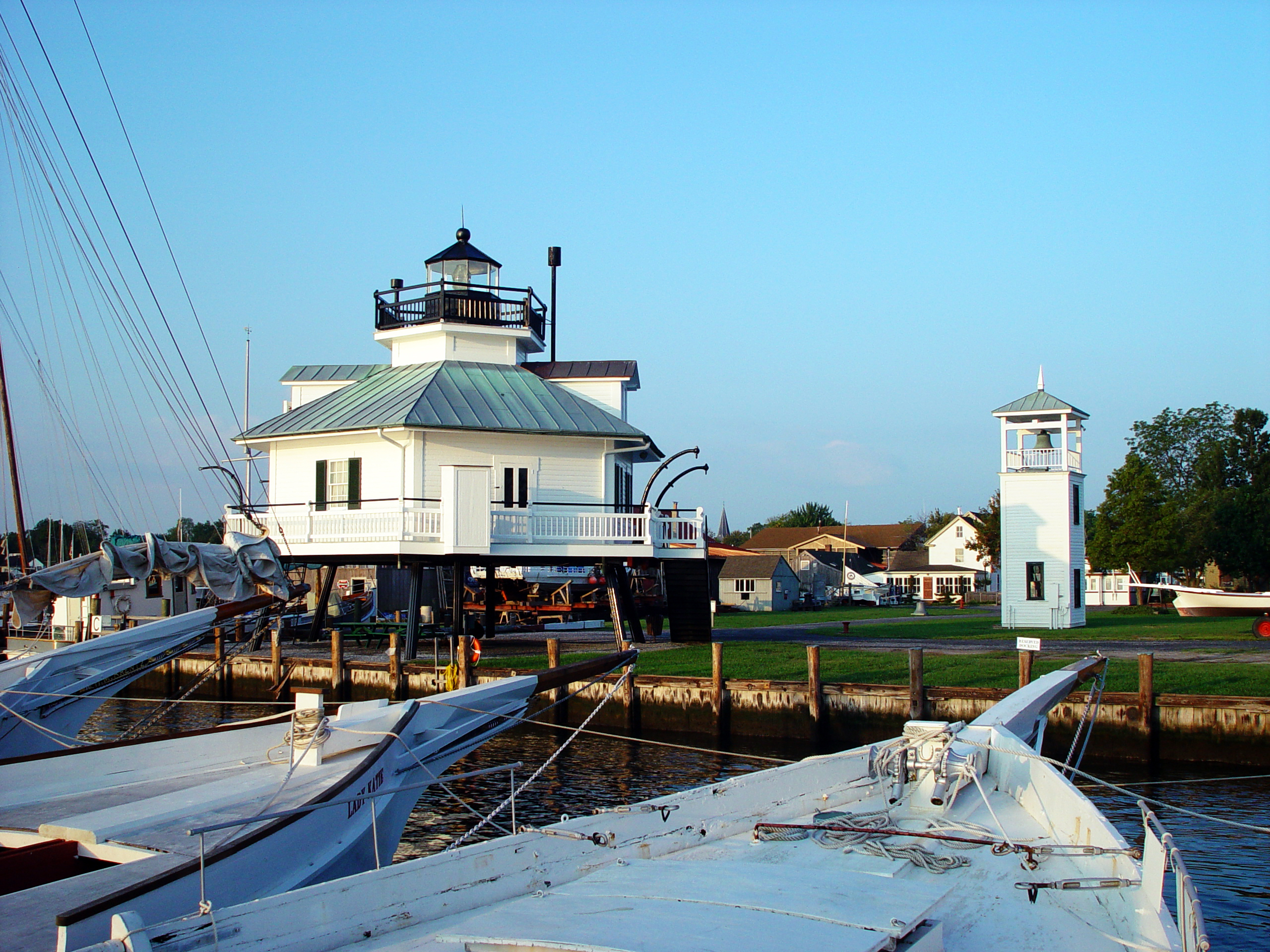
7. Hooper Strait Lighthouse — St. Michaels, Maryland
A short detour east brings you to the Chesapeake Bay Maritime Museum in St. Michaels, home of the Hooper Strait Lighthouse (1879). This is the oddball of the trail — a screwpile lighthouse, meaning the whole structure is a cottage on stilts that once stood in the water off Hooper Strait. It was moved here intact, and you can walk through its furnished rooms exactly as a keeper would have lived in it. Access is through the museum. Budget at least half a day; the museum's boat-building campus and waterfront are worth lingering over.
8. Assateague Light — Assateague Island, Virginia
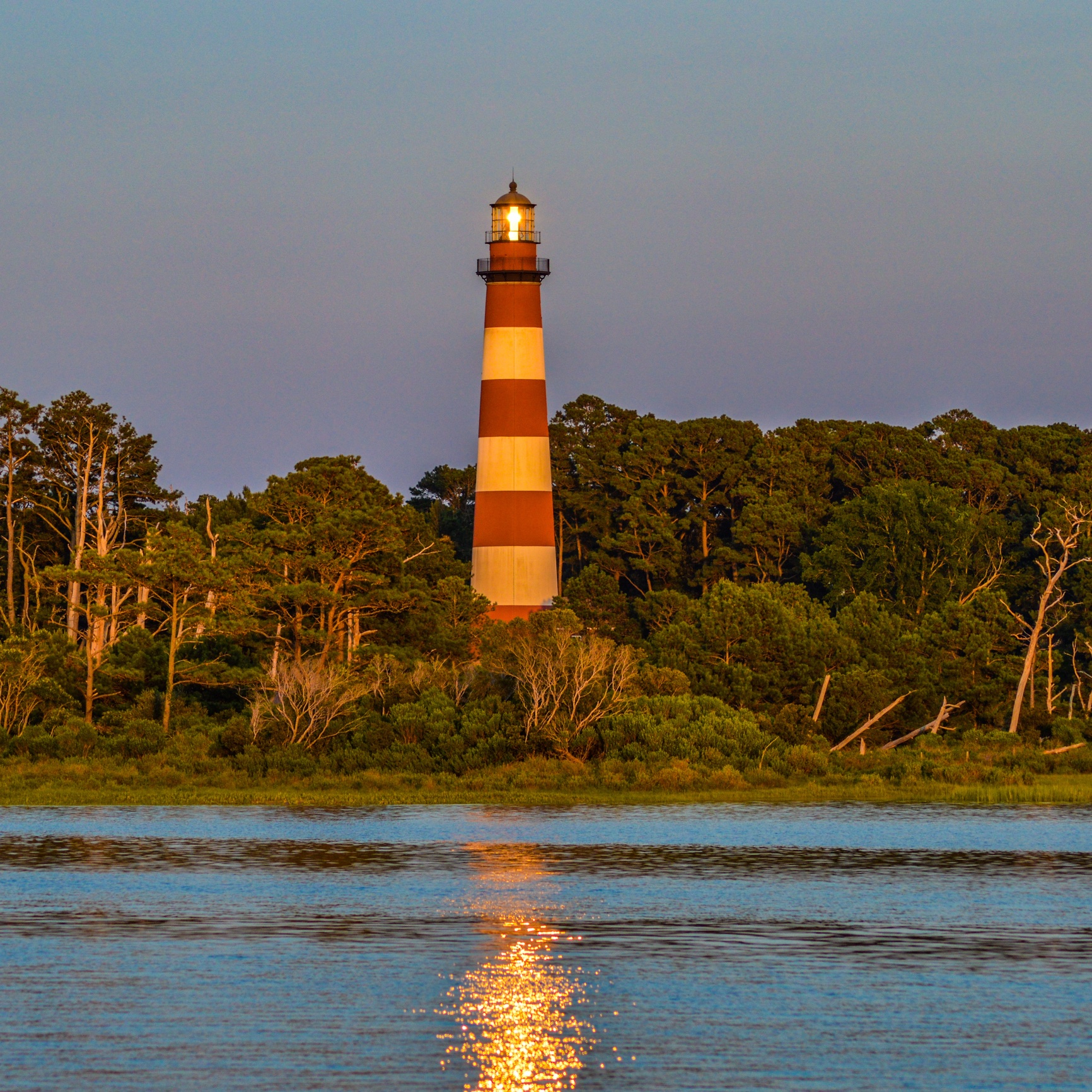
End the trail at the far end of the peninsula. Assateague Light (1867) is the tall one — 142 feet of red-and-white-banded brick that you can see from miles away, guiding ships around the shifting shoals off the barrier island. It's on the Virginia side of Assateague, within the Chincoteague National Wildlife Refuge, and it's open for climbing seasonally. Time your visit for the refuge loop drive — you'll likely spot wild ponies, herons, and shorebirds on the way to the tower, which makes this the best two-for-one stop on the trail.
The Weekend Itinerary
Saturday — the Delaware leg. Start at the Liston Range lights via Route 9, lunch in Lewes, then a boat cruise past the Breakwater and Harbor of Refuge lights (book ahead). End the day at Fenwick Island for the tower climb and an ocean-side dinner.
Sunday — Maryland and Virginia. Morning at Turkey Point (climb if open, bluff walk either way), lunch in St. Michaels with the Hooper Strait lighthouse and maritime museum, then south to Assateague for the refuge loop and the big red-and-white tower climb. If Cove Point calls to you, fold it into Saturday evening on the western shore instead of doubling back — it's the one detour off the main line.
Total driving is manageable — this is a peninsula, not a continent — but book boat cruises and check every climb schedule ahead of time. Towers close for weather, maintenance, and the off-season without much notice.
Figures and availability are general information and change over time.